Deconstructing the Perfect Shot: The DNA of an Architectural Photograph
High-quality architectural photography is a foundational requirement for a hotel’s digital identity. Every hotel—big or small, branded or independent, full-service or select-service—requires architectural photos. However, photography isn’t a universal skill. For instance, a wedding photographer’s talent for candid emotion doesn't translate to the technical lighting and geometric precision required for physical spaces.
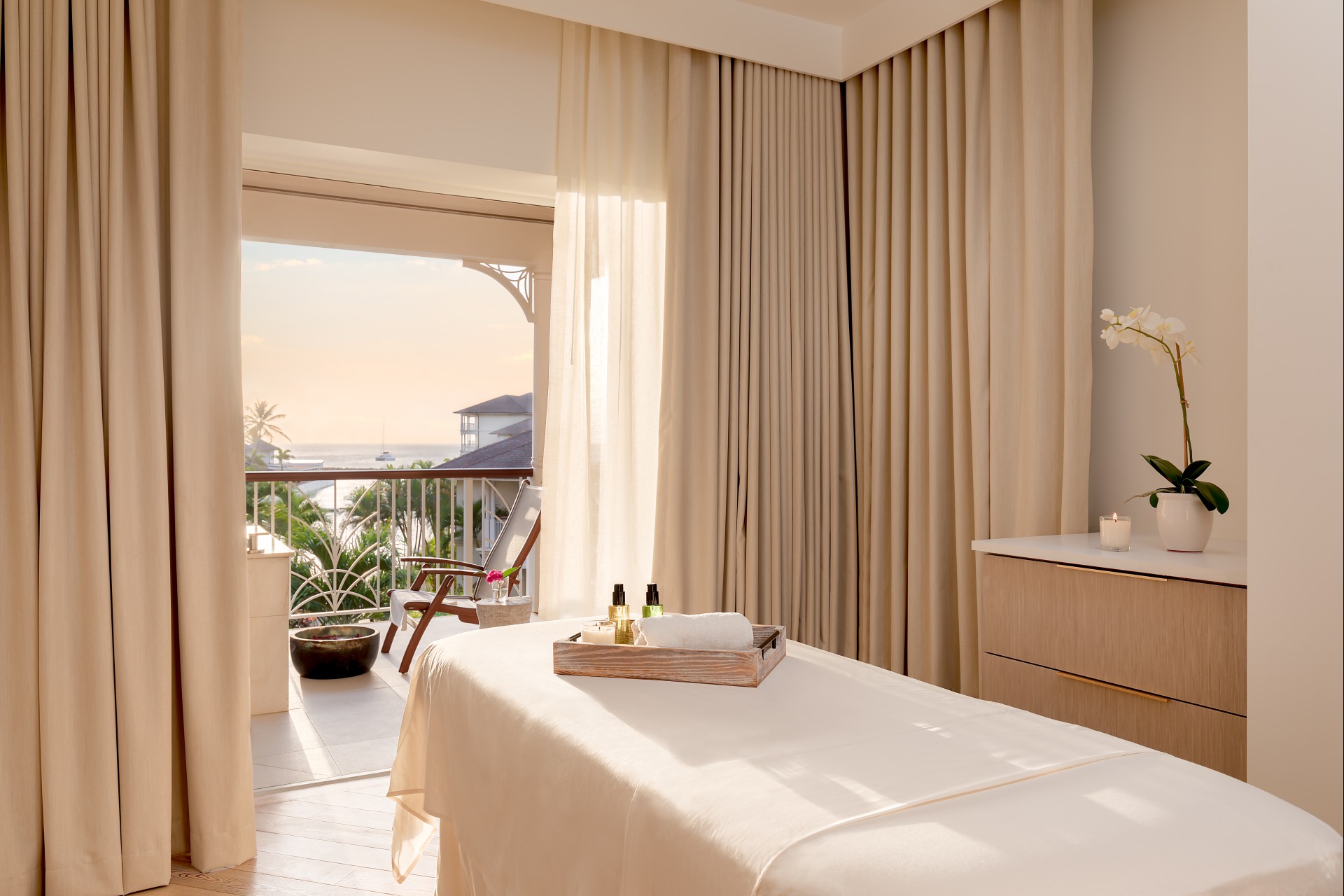
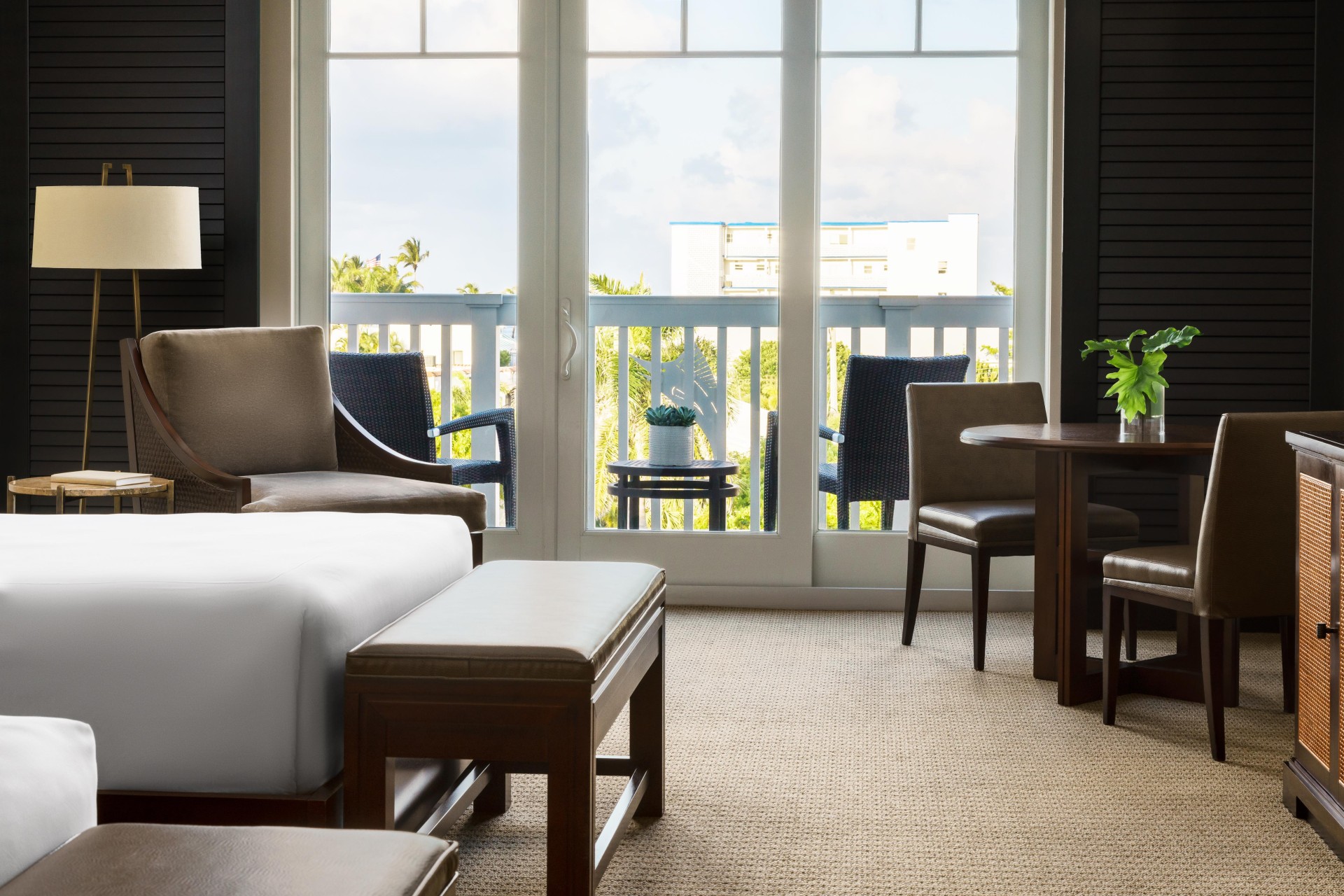
But what does that mean, exactly? Take a look at this stunning hotel room photo.
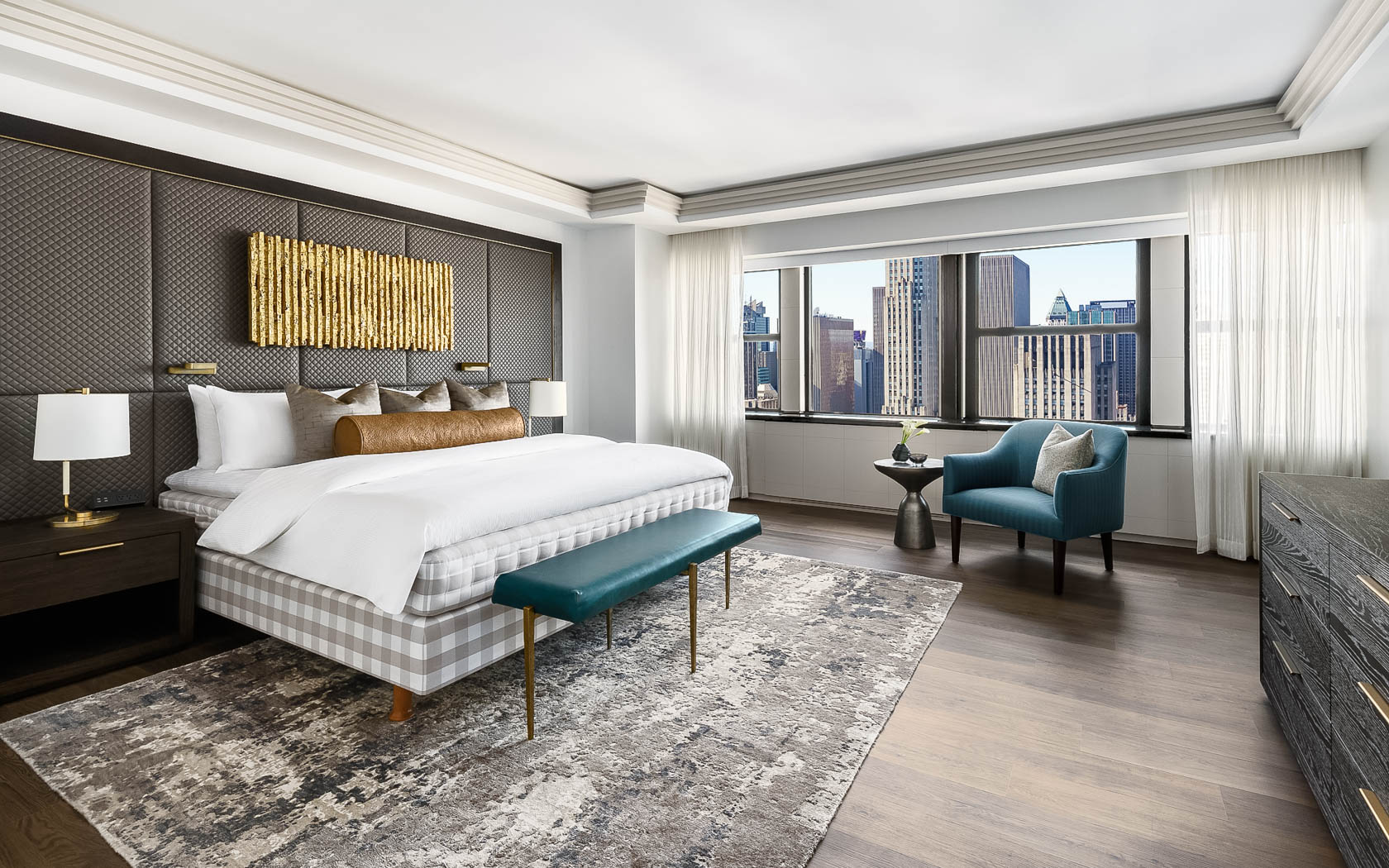
It looks effortless, doesn’t it? The inviting bed, the perfectly balanced light, the seamless blend of luxury and comfort. As viewers, we are meant to feel like we could just step right into the frame and drop our bags.
But behind every seemingly "effortless" image is a world of meticulous planning, problem-solving, and creative execution. So let’s pull back the curtain and unpack exactly what it takes to arrive at a finished architectural picture.
Phase 1: The Blueprint
Long before a camera clicks, the foundation of a great image is built. A skilled architectural photographer doesn’t just show up and start shooting—the process begins with strategy.
- Discovery & Strategy: This phase kicks off with discovery calls and deep-dive research to align perfectly with the client’s brand guidelines. Existing assets are reviewed to identify what’s missing, and a highly specific, client-approved shot list is curated.
- The Logistics of Style: This phase also involves style shopping, sourcing props, and handling the heavy lifting of scheduling. From coordinating with the property and managing travel logistics to pinpointing the absolute best time of year (and day) to capture the space, every detail is mapped out.
Phase 2: Perfecting the Scene
When shoot day arrives, a professional architectural photographer transforms into a perfectionist. Whether it’s a public lobby or a private suite, the physical space must be flawless.
- Sweating the Small Stuff: The room is styled down to the inch, thanks to the set stylist. That means ensuring every linen is steamed, fluffy, and wrinkle-free. Furniture is checked, all in-room lighting is verified as functioning, and windows and walls are confirmed spotlessly clean.
- In-Camera Art Direction: Once the room is styled and propped, it's all about the camera. The photographer selects the perfect lens, frames the shot, and rigorously reviews the composition. Then comes the lighting—chasing that perfect natural light while strategically supplementing it with studio lighting to fill shadows and balance the exposure across the entire space.
Phase 3: Capturing the Shot
Here is a little industry secret: that final image isn't just one photograph.
- The Bracketing Technique: For every final product you see, a skilled photographer takes around 10 "bracketed" shots. Without moving the camera a millimeter, the exact same photo is taken at various exposures and lighting conditions. Each frame captures a rich set of data that gives the photographer ultimate control in post-production.
Phase 4: Post-Production Magic
If pre-production is the blueprint and the shoot is the construction, post-production is the interior design.
- Compiling and Polishing: The editing team takes those 10 individual bracketed shots and meticulously superimposes them into a single, beautifully balanced image. From there, rigorous color correction and retouching remove any lingering imperfections.
The Finished Product
The result? A final, polished photograph that captures the true essence and architectural fidelity of a space. The next time you see a beautifully composed room shot, you’ll know the exact DNA—planning, styling, shooting, and editing—that went into making it look so beautifully simple. And if your photographer’s process doesn’t look like the one outlined above? It may be time to ask whether you’ve hired the right person for the job.
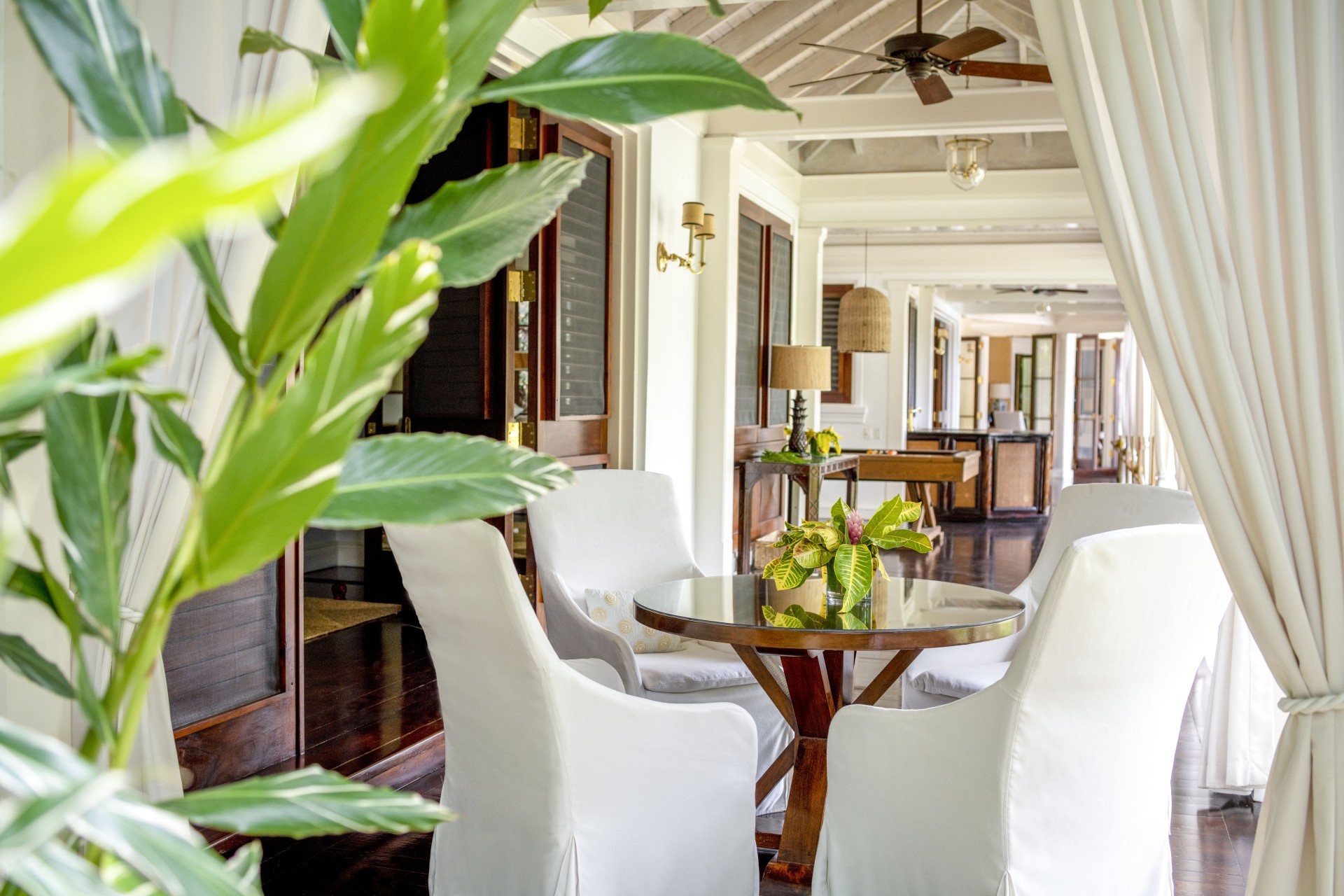
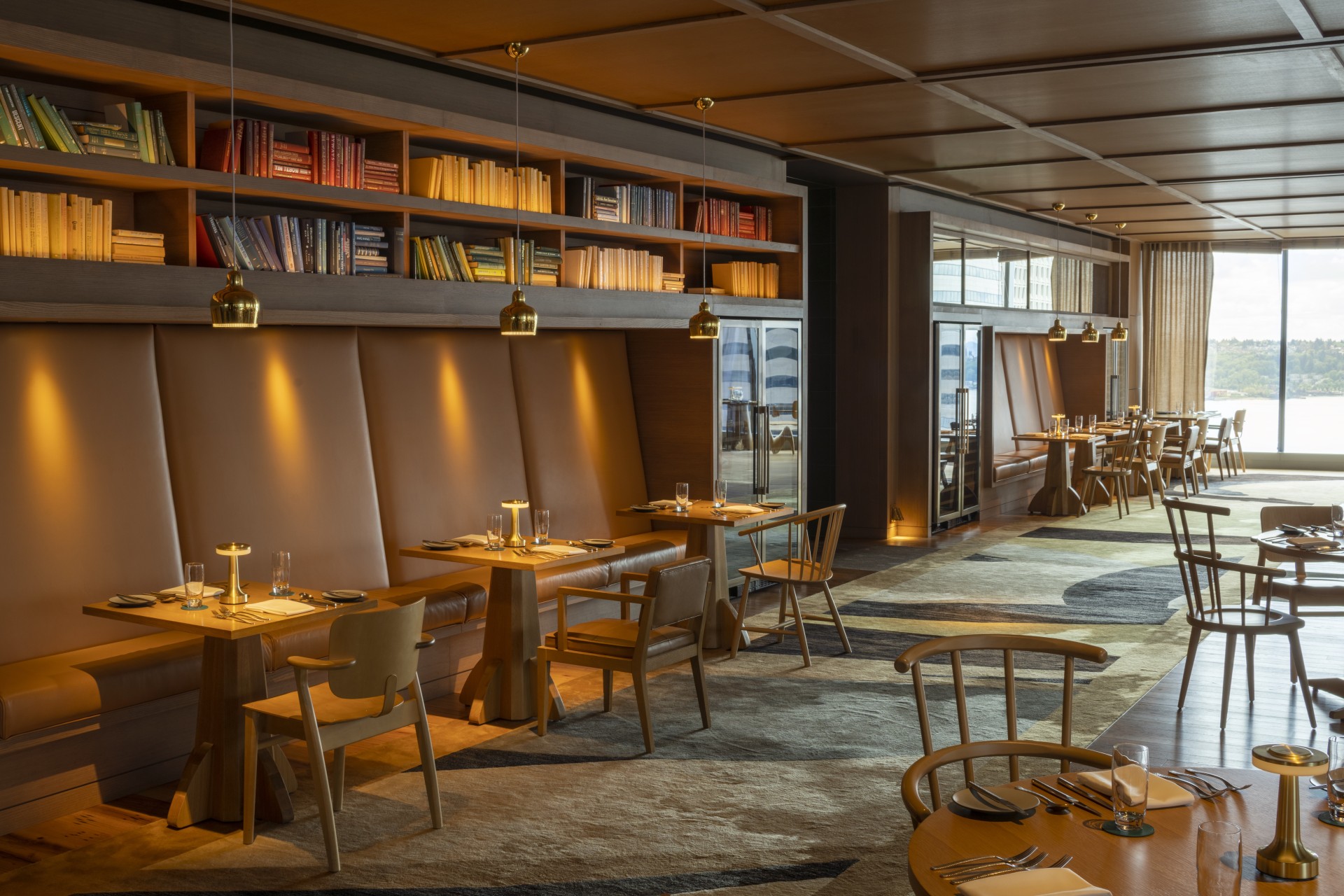
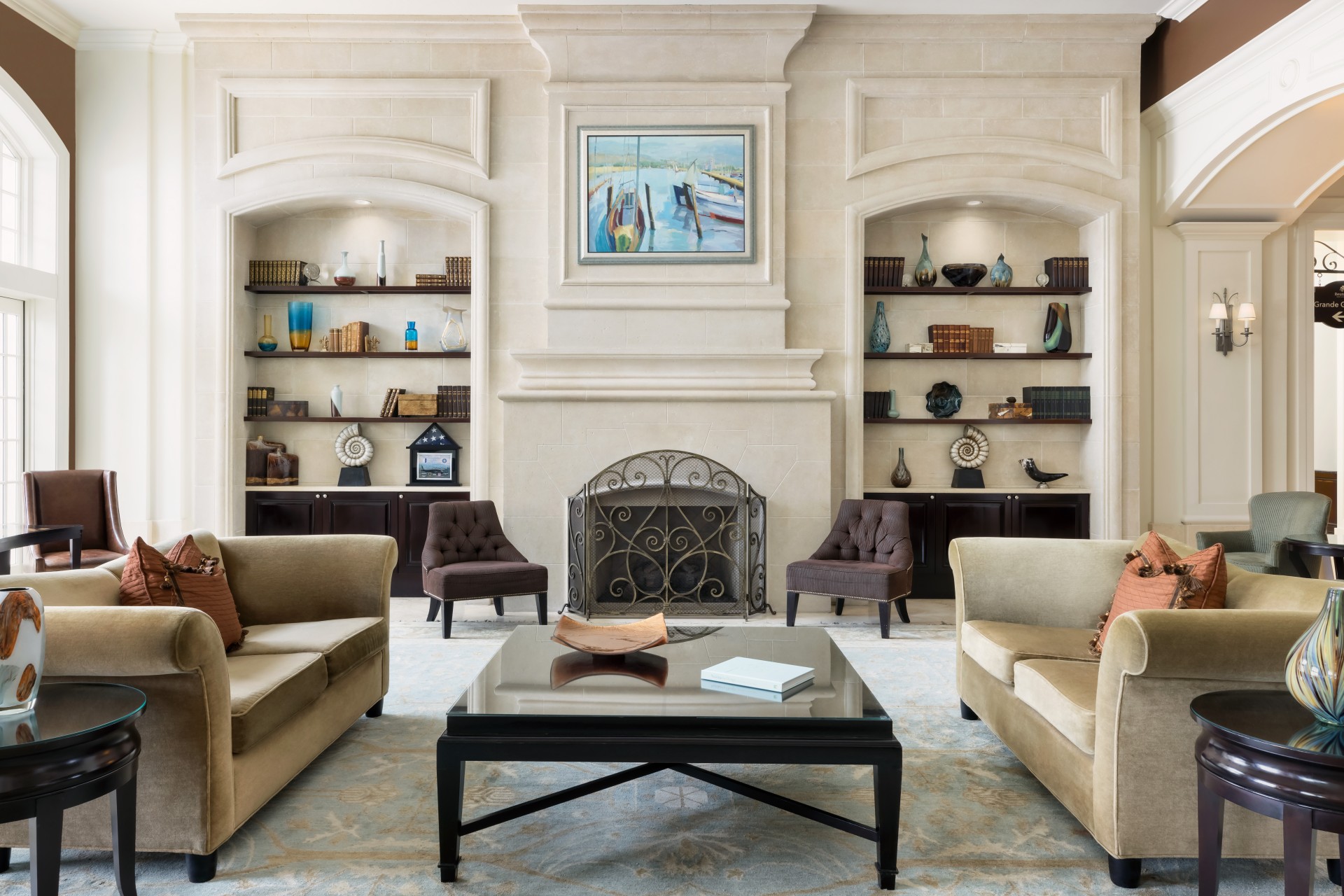
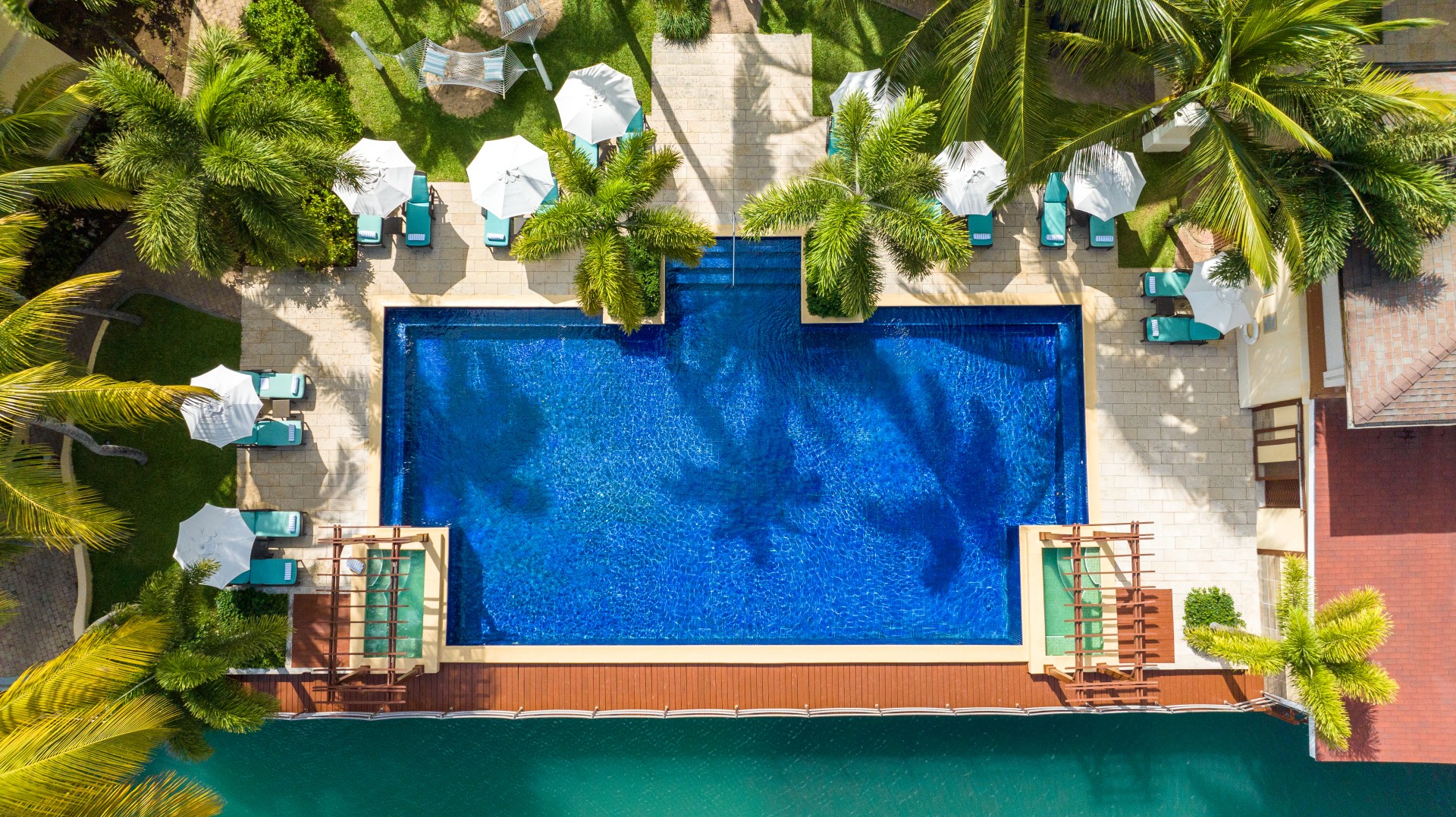
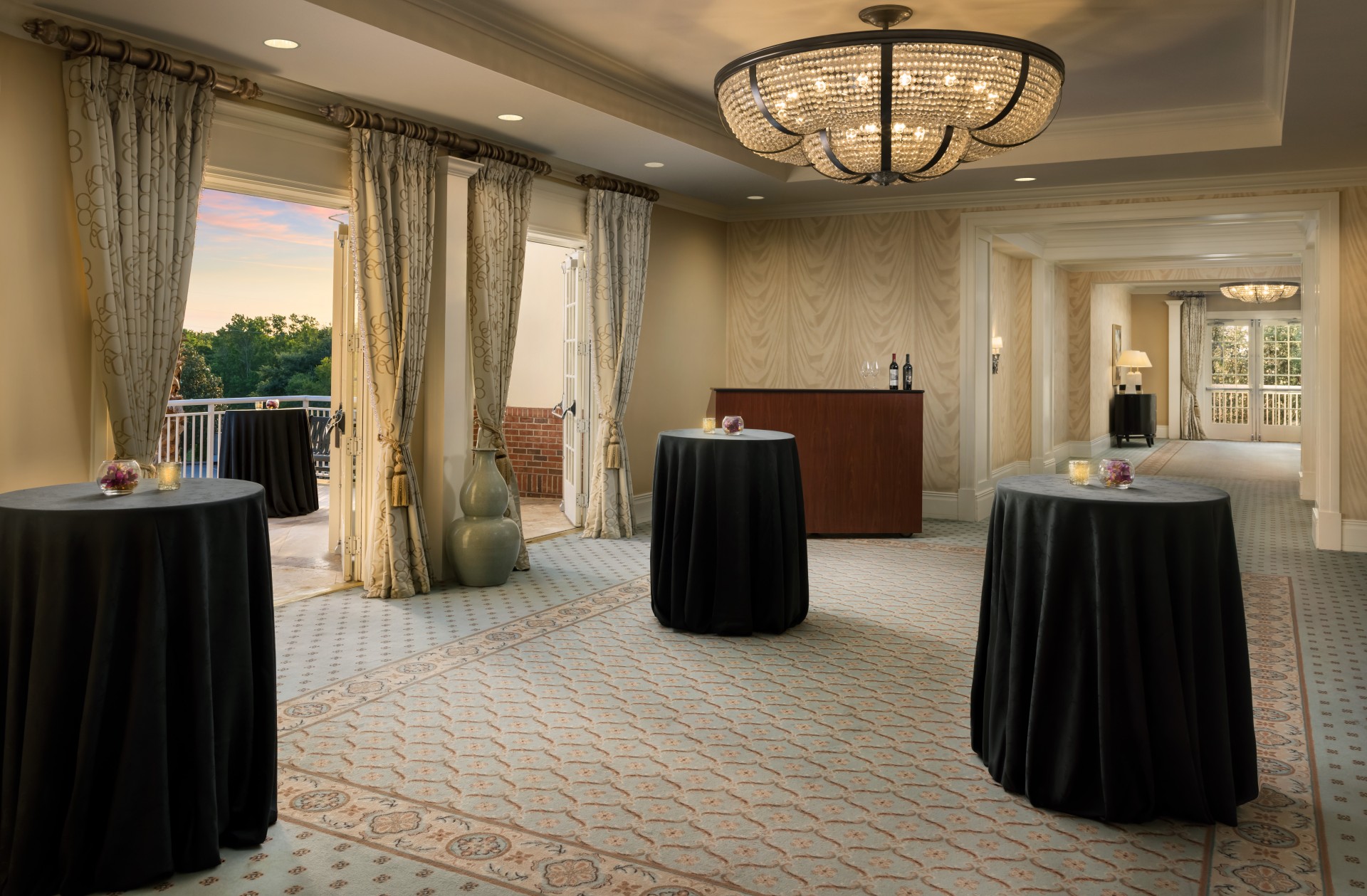
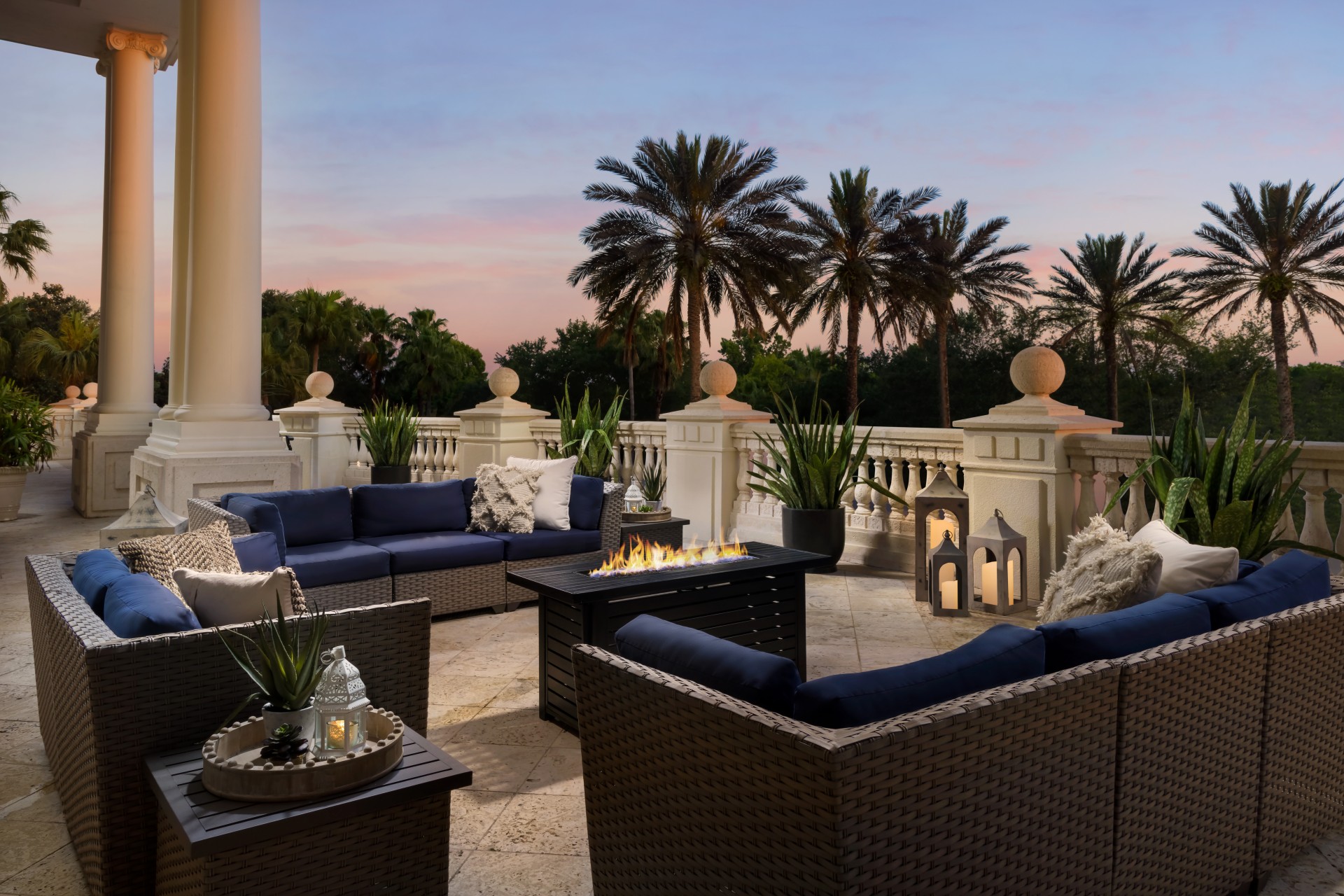
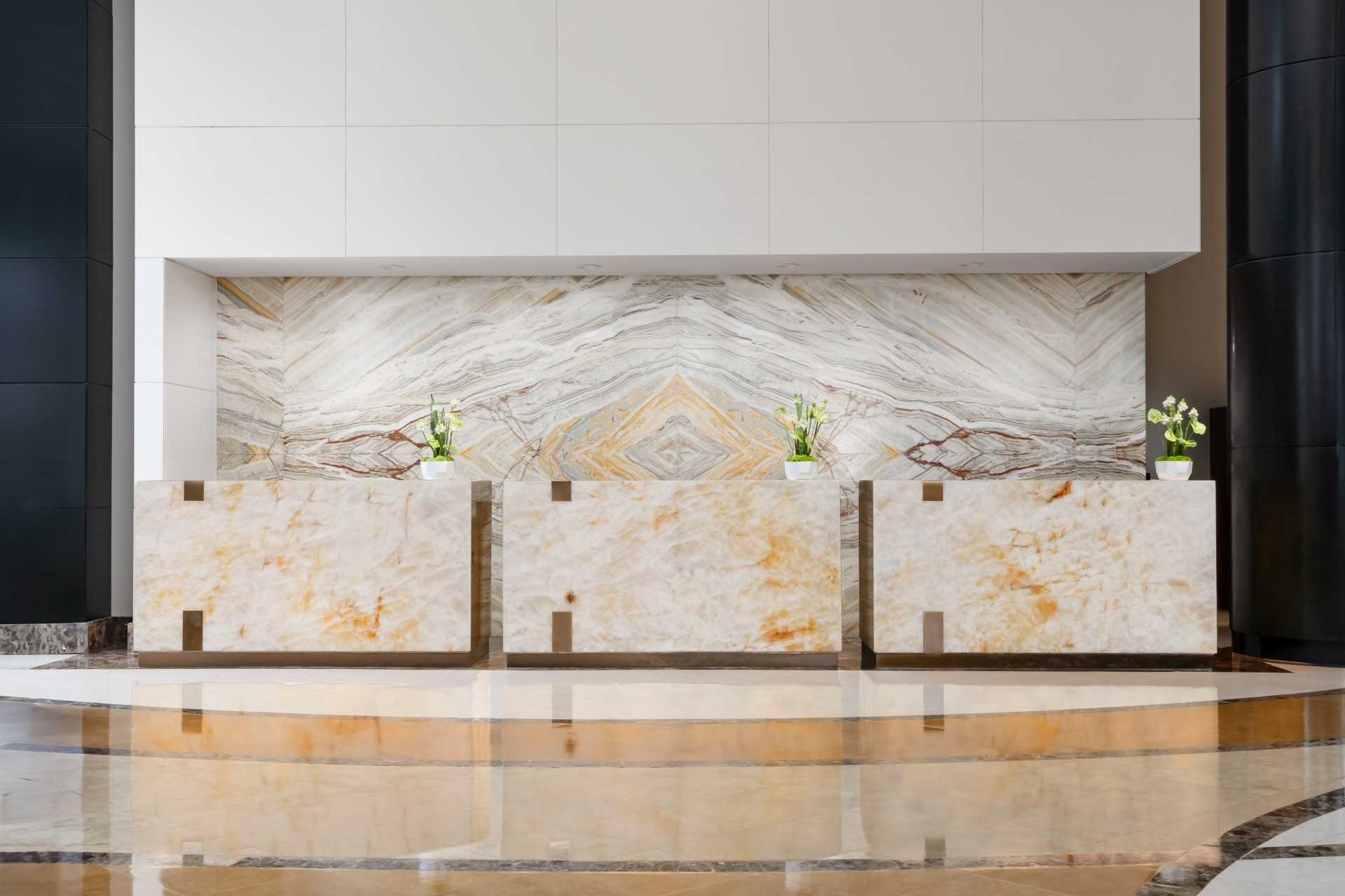
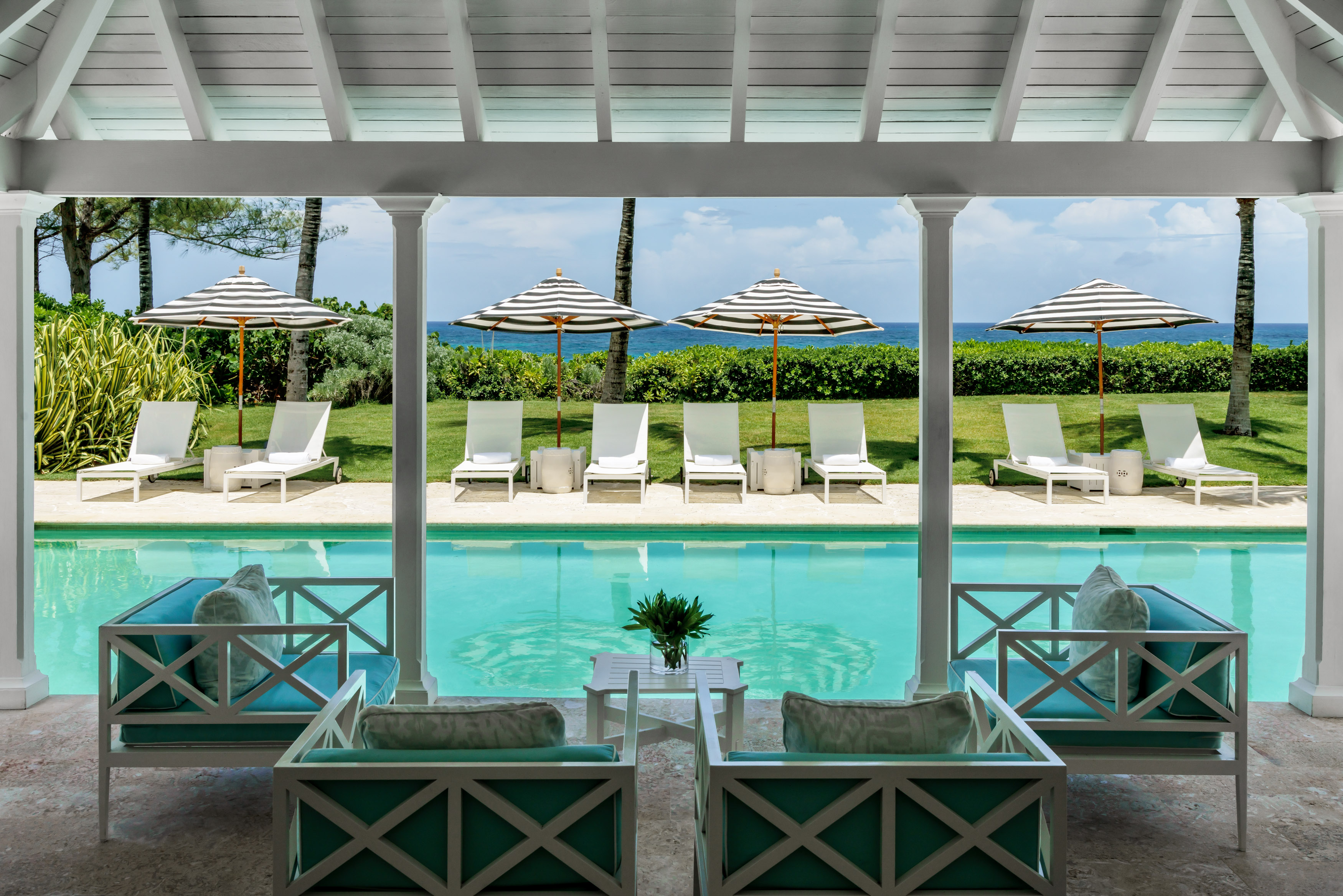
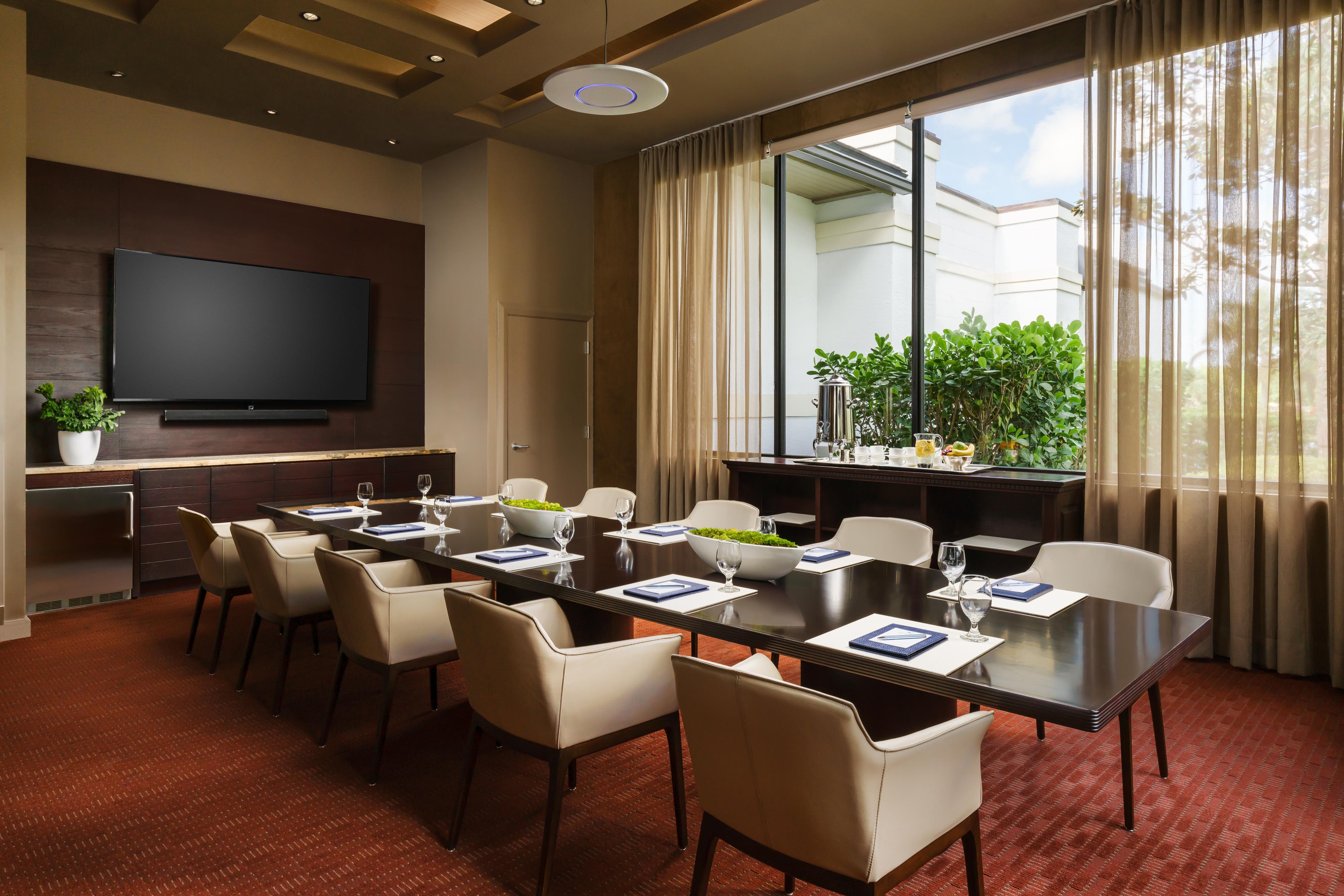
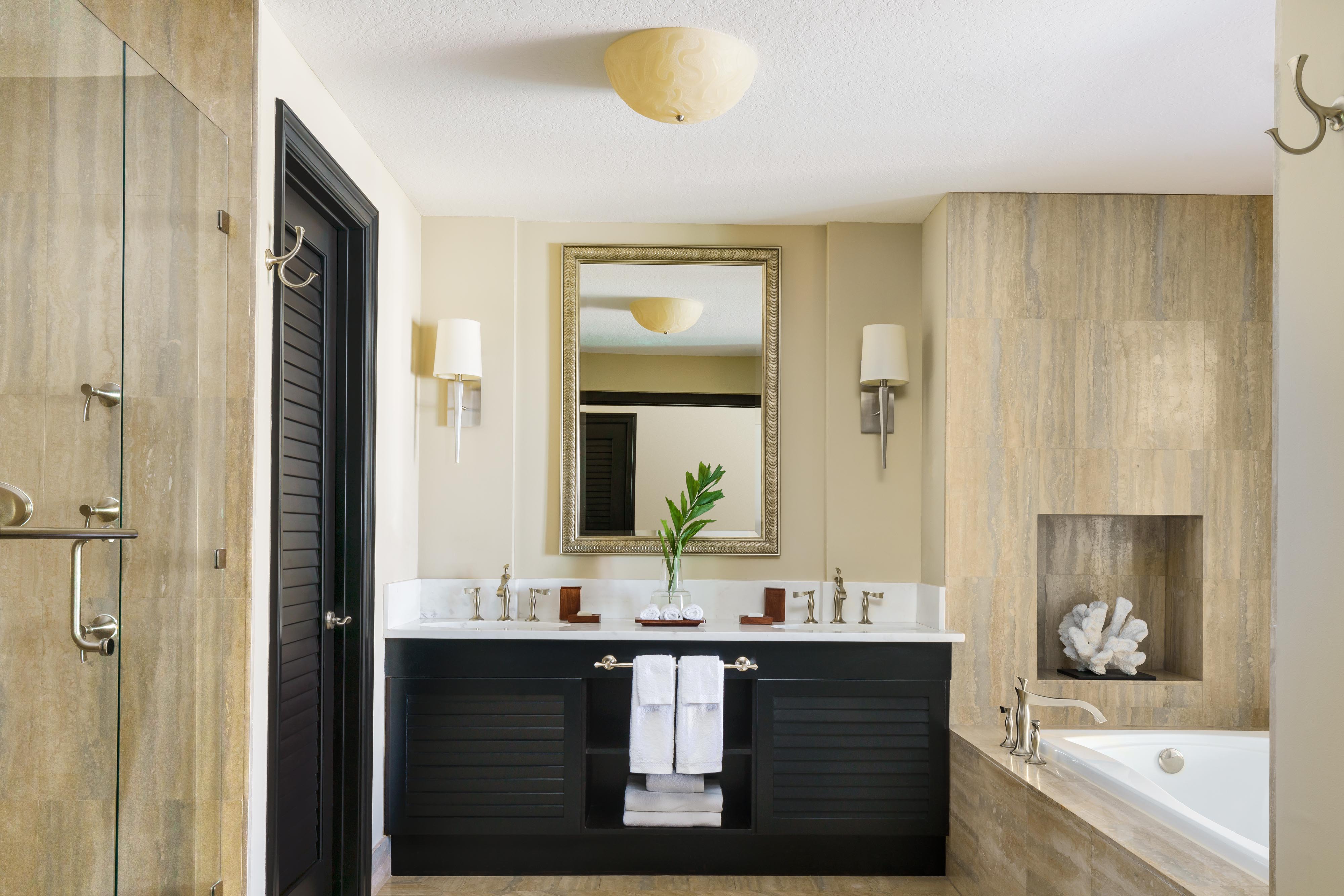
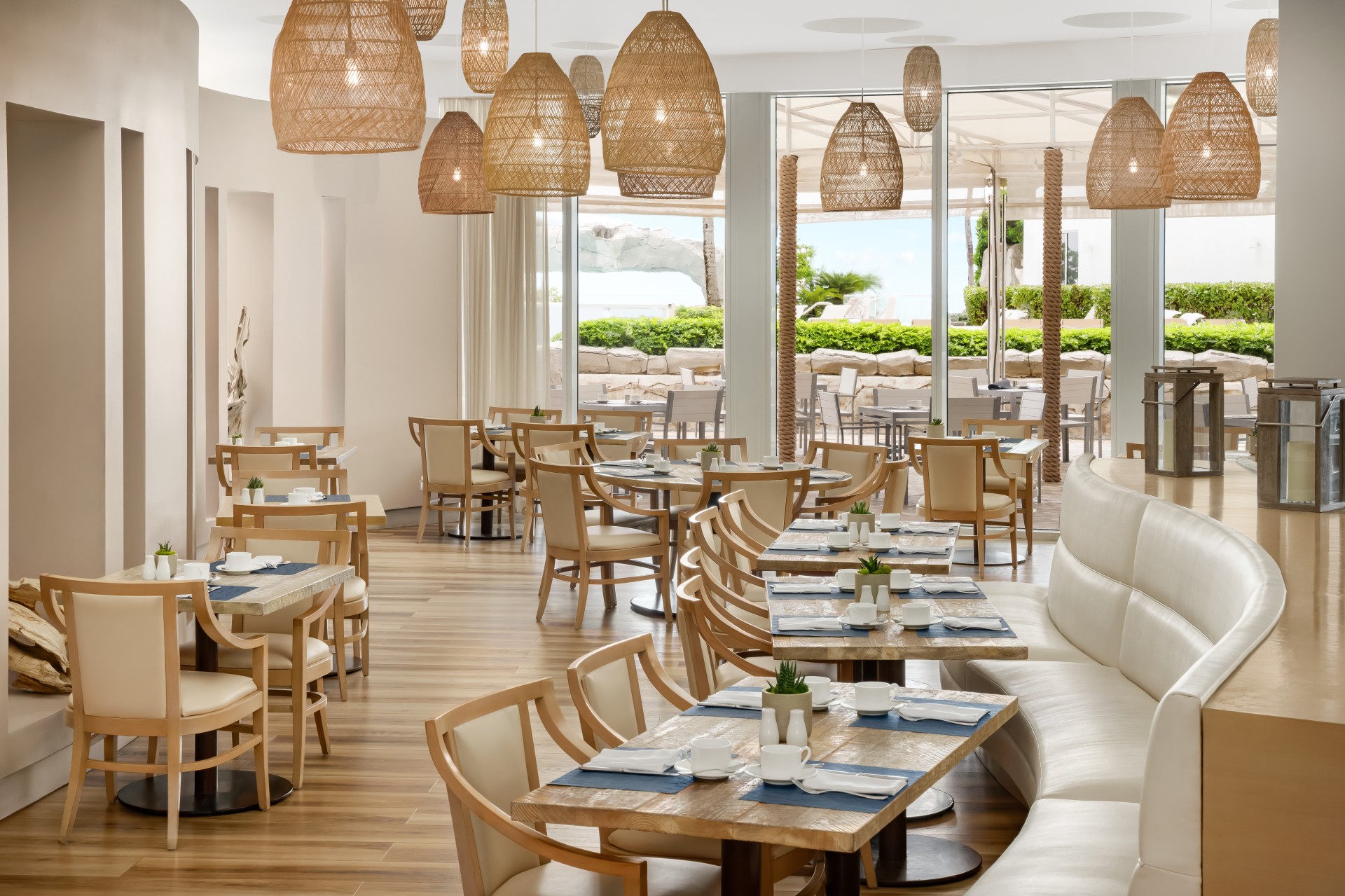
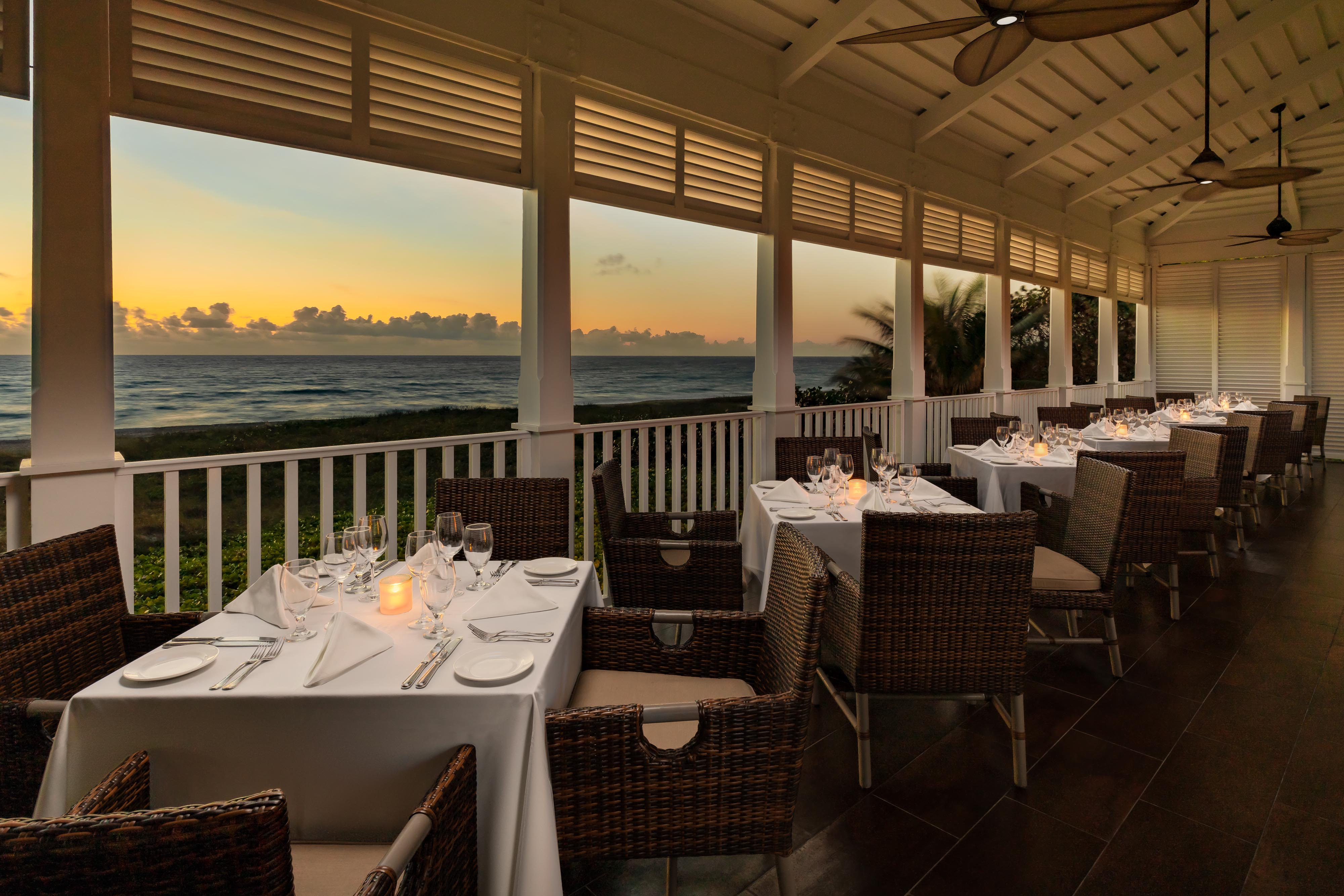
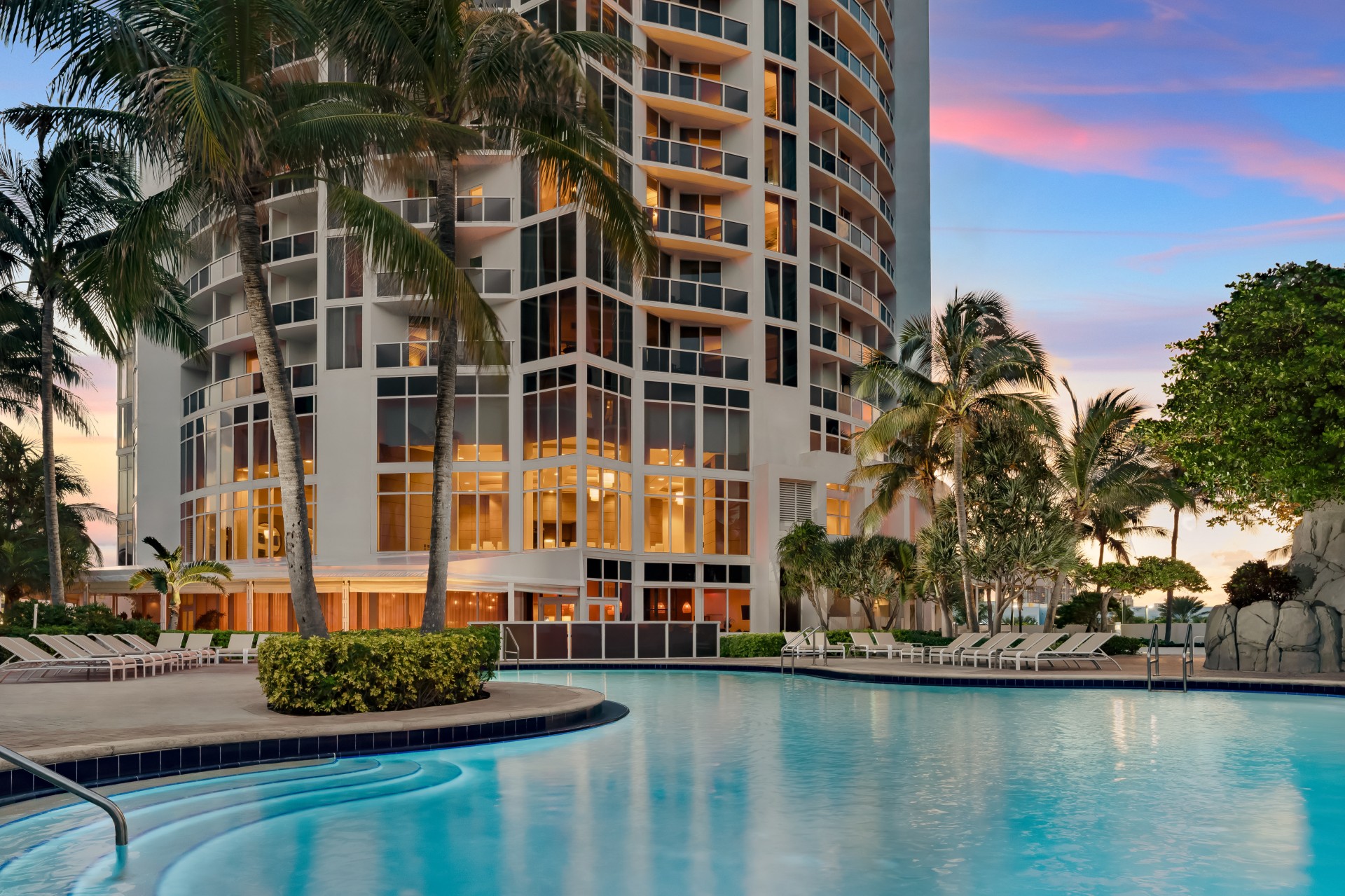
See the difference this process makes. Here are a few examples of what architectural photography looks like when every phase is done correctly.